
LABORATORY
Our laboratory combines advanced expertise in chemistry with state-of-the-art technological infrastructure for rapid prototyping, the fabrication of customized sensors, and high-precision electrochemical analysis.
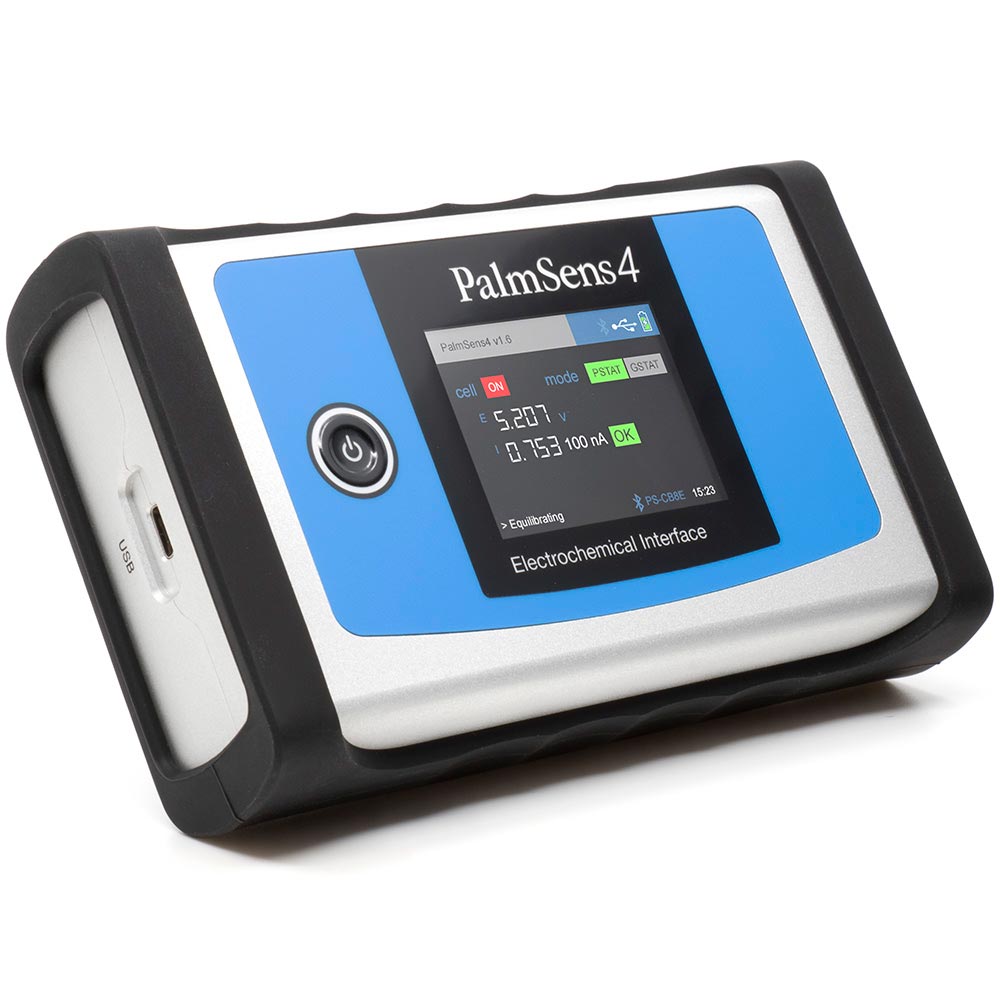
These compact and versatile electrochemical instruments — including PalmSens3, PalmSens4, EmStat, MultiEmStat, and Sensit (including the Sensit BT wearable development kit) — are ideal for high-precision laboratory analyses, while also being designed for direct on-site and point-of-need measurements and wearable applications. The instruments are controlled using PSTrace software for single-channel devices, while MultiEmStat is operated through MultiTrace, which enables synchronized measurements across multiple channels in parallel.
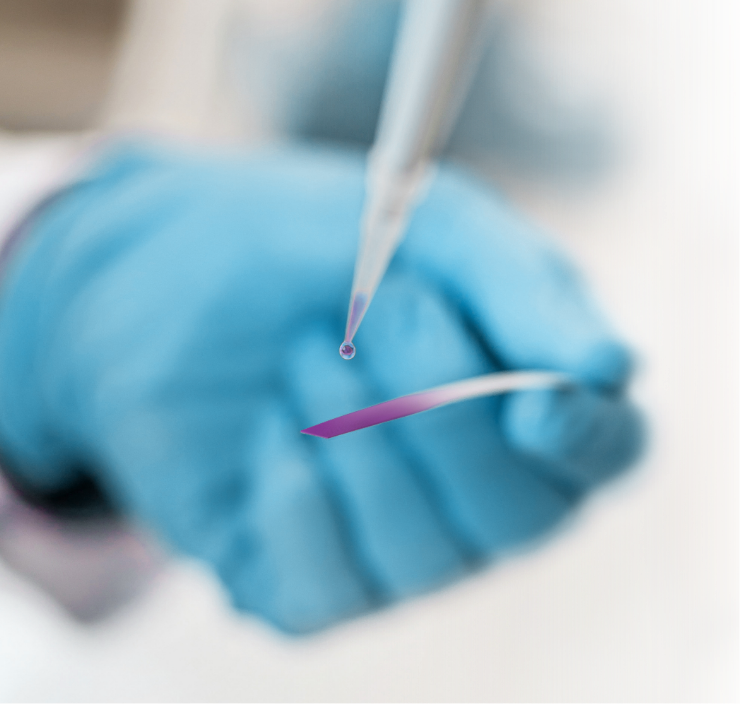
The core components of our (bio)sensors are flexible electrodes printed on different substrates, entirely designed and fabricated in our laboratory at the University of Rome “Tor Vergata”. The screen-printed electrodes are fabricated by initially depositing a wax layer using a ColorQube 8580 printer. This in-house process combines technological innovation with our green and sustainable approach.
A printing system used for the controlled deposition of wax onto different types of substrates. In our work, it is mainly used for the fabrication of screen-printed electrodes, enabling accurate and reproducible definition of the measurement areas thanks to the hydrophobic properties of wax, which acts as a containment barrier.
Three-dimensional printing systems are used for the rapid fabrication of customized measurement cells and advanced microfluidic components. Devices are designed using Autodesk Fusion 360 CAD software and subsequently sliced using PrusaSlicer. Printing is performed using FDM (Fused Deposition Modelling) technology on an Original Prusa i3 MK3S+ printer, using PLA filament (printing temperature: 220 °C; build plate temperature: 60 °C). This approach allows the geometric design of the sensors to be rapidly adapted to specific application requirements.
The integration of these technologies enables our laboratory to cover the entire development cycle, from laboratory prototype development to a Point-of-Care device ready for on-site use.